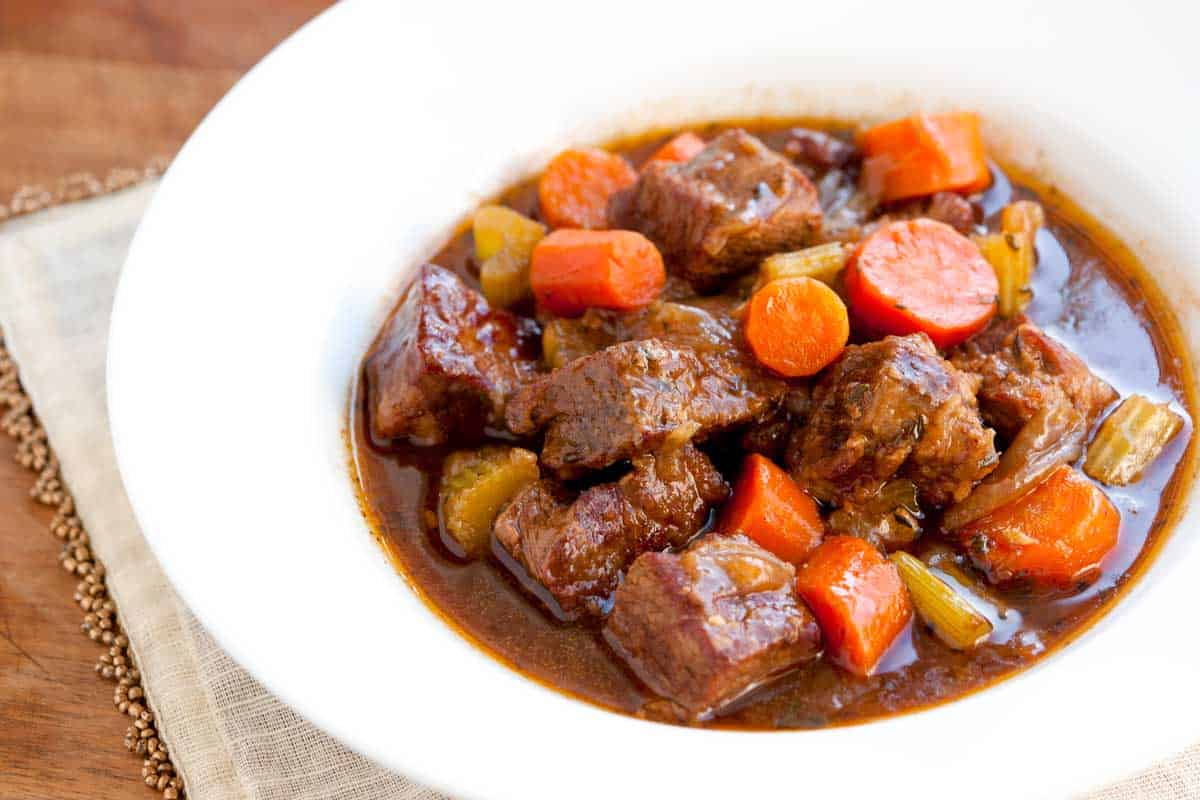
Secrets to the Best Guinness Beef Stew: Ultimate Comfort Food
Few dishes evoke the warmth and comfort of home quite like a truly exceptional
Guinness beef stew. More than just a meal, it's an experience – a slow-cooked symphony of rich, savory flavors, melt-in-your-mouth tender beef, and a deeply satisfying, bacon-infused gravy. While often synonymous with St. Patrick's Day celebrations, this pub-style classic transcends seasonal boundaries, offering the ultimate comfort on any chilly evening. Mastering this seemingly simple dish is within everyone's reach, requiring only a few key ingredients and a patient hand to unlock its incredible depth. This article will reveal the secrets to transforming humble ingredients into a stew that will become a cherished staple in your culinary repertoire.
The Culinary Alchemy: Unlocking the Heart of a Great Guinness Beef Stew
The foundation of any outstanding dish lies in its ingredients, and
Guinness beef stew is no exception. Each component plays a vital role in creating the layers of flavor and the signature texture that define this beloved comfort food.
- Beef Chuck Roast: The King of Tenderness
The choice of beef is paramount. While pre-cut "stew meat" might seem convenient, the true secret to *melt-in-your-mouth* beef lies in a good quality beef chuck roast. This cut, with its generous marbling and connective tissue, is ideally suited for low and slow braising. As it gently simmers, the fat renders, and the tough collagen breaks down into gelatin, infusing the stew with flavor and leaving you with incredibly tender, succulent morsels. Avoid leaner cuts, which often turn out dry and fibrous when subjected to extended cooking.
- Guinness Stout: More Than Just Liquid Gold
The star of the show, Guinness Draught Stout, is indispensable for its smooth maltiness, iconic deep color, and unique earthy notes that are never overly bitter. It doesn't just add liquid; it imbues the stew with a complex, roasty depth that sets it apart. The stout undergoes a beautiful transformation during the long cook, mellowing its intensity and leaving behind a sophisticated backdrop. For those seeking a non-alcoholic alternative, fear not! A combination of extra beef broth with a splash of balsamic or red wine vinegar can mimic some of the acidity and depth, though the distinct Guinness character will be missed.
- Thick-Cut Bacon: The Smoky Secret Weapon
Don't underestimate the power of bacon. Thick slices serve a dual purpose: they provide delicious crispy bits for texture and, more importantly, render enough fat to perfectly sear your beef. This rendered fat is liquid gold, lending a *smoky complexity* to the stew that plain vegetable oil simply cannot replicate.
- Aromatic Vegetables & Fresh Herbs: The Flavor Foundation
The classic "holy trinity" of onions, carrots, and celery forms the aromatic backbone of the stew, building foundational sweetness and savoriness. Feel free to expand on this with other hearty root vegetables like parsnips or turnips for added depth and substance. For herbs, fresh thyme and rosemary are the traditional choices, providing a fragrant, pub-style aroma that transports you straight to an Irish kitchen. While dried herbs can be substituted (use about one teaspoon per tablespoon of fresh), the vibrant freshness of live herbs truly elevates the dish.
- Brown Sugar: The Unsung Balancer
It might seem counterintuitive to add sugar to a savory stew, but a small amount of brown sugar is absolutely essential. It skillfully *balances the natural bitterness of the stout* and the acidity of the tomato paste, creating a perfectly rounded flavor profile that makes all the other ingredients sing. Don't skip this crucial step!
Building Flavor Foundations: Essential Techniques for a Standout Stew
Beyond the ingredients, specific techniques are crucial for coaxing out the deepest, most satisfying flavors from your
Guinness beef stew. These steps, while seemingly simple, contribute significantly to the final outcome.
- The Golden Rule: Dry Your Beef for the Best Sear
This is perhaps the most important pre-cooking tip. Before your beef chunks even think about hitting the hot pan, pat them *completely dry* with paper towels. Wet meat will steam rather than sear, preventing the coveted Maillard reaction – that magical browning that creates a deep, flavorful crust. That golden-brown *fond* (the caramelized bits stuck to the bottom of the pot) is the secret to a rich, complex gravy.
- Maximize Bacon Fat: A Flavor Powerhouse
Once you've rendered your thick-cut bacon, *do not discard that precious fat*. As mentioned, it's a flavor enhancer like no other. Searing your dried beef in this smoky, savory fat infuses it with an initial layer of complexity that permeates the entire stew.
- Deglazing: Capturing Every Ounce of Flavor
After searing your beef and sautéing your vegetables, you'll have delicious browned bits (fond) stuck to the bottom of your pot. When you add the Guinness stout or beef broth, use a wooden spoon to scrape these bits up. This process, called deglazing, releases all that concentrated flavor back into your liquid, ensuring your gravy is incredibly rich and savory.
- The Oops Thickening Fix: Beurre Manié for Silky Smoothness
Forgot to flour your beef earlier, or simply want a thicker sauce at the end? This professional trick is a lifesaver. Create a *beurre manié* by mixing equal parts softened butter and flour (e.g., two tablespoons of each) into a smooth paste. Stir small bits of this paste into your simmering stew during the final 30 minutes of cooking. It will dissolve seamlessly, thickening the sauce to a silky, luxurious consistency without any lumps.
The Art of Patience: Low, Slow & Delicious Cooking Methods
The true magic of
Guinness beef stew unfolds over time, with gentle heat transforming tough cuts into tender perfection. Patience is your most valuable ingredient here.
Whether you opt for the traditional oven braise or a stovetop simmer, the principle remains the same: *low and slow is essential*. A gentle, lazy simmer is what gradually breaks down the tough fibers in the chuck roast, ensuring that melt-in-your-mouth tenderness you crave. Avoid the temptation to crank up the heat; high temperatures will toughen the meat and compromise the stew's texture. For detailed guidance on achieving this perfect slow cook, explore resources like
Mastering Classic Guinness Beef Stew: Rich & Tender Recipe. If you're exploring different appliances,
Guinness Beef Stew: Oven, Stovetop & Slow Cooker Options provides excellent instructions for everything from the oven to the slow cooker and even the Instant Pot.
To ensure your potatoes and other root vegetables become perfectly tender, *keep the lid tightly on* during most of the cooking process. This traps steam and moisture, creating an ideal environment for gentle cooking. Only remove the lid during the final 10-20 minutes if you wish to allow some steam to escape and further reduce and thicken the gravy.
One of the greatest advantages of this stew is its *make-ahead magic*. The flavors actually deepen and improve significantly after a day or two in the refrigerator, allowing all the ingredients to meld beautifully. This makes it an ideal dish for entertaining or meal prepping, tasting even better when reheated.
Serving Your Masterpiece: Perfect Pairings and Personal Touches
Once your
Guinness beef stew has reached its peak tenderness and flavor, it's time to enjoy the fruits of your labor. The traditional pairing, of course, is a warm, crusty slice of Irish Soda Bread – perfect for soaking up every last drop of that incredible gravy. Alternatively, serve it over creamy mashed potatoes, hearty noodles, or with a simple side of crusty artisan bread.
Don't hesitate to customize your stew. While the classic vegetable trinity is wonderful, consider adding seasonal root vegetables like turnip or sweet potato. A sprinkling of fresh parsley just before serving can add a bright, herbaceous lift that contrasts beautifully with the stew's richness.
Conclusion
The journey to crafting the best
Guinness beef stew is a rewarding one, culminating in a dish that embodies warmth, comfort, and culinary satisfaction. By understanding the roles of key ingredients like beef chuck roast and Guinness stout, and by embracing essential techniques such as proper searing and slow cooking, you can unlock layers of rich, savory flavor. This traditional, pub-style meal is not just food; it's an invitation to gather, to savor, and to create unforgettable memories around the table. So, roll up your sleeves, embrace the process, and prepare to delight in a truly extraordinary comfort food experience.