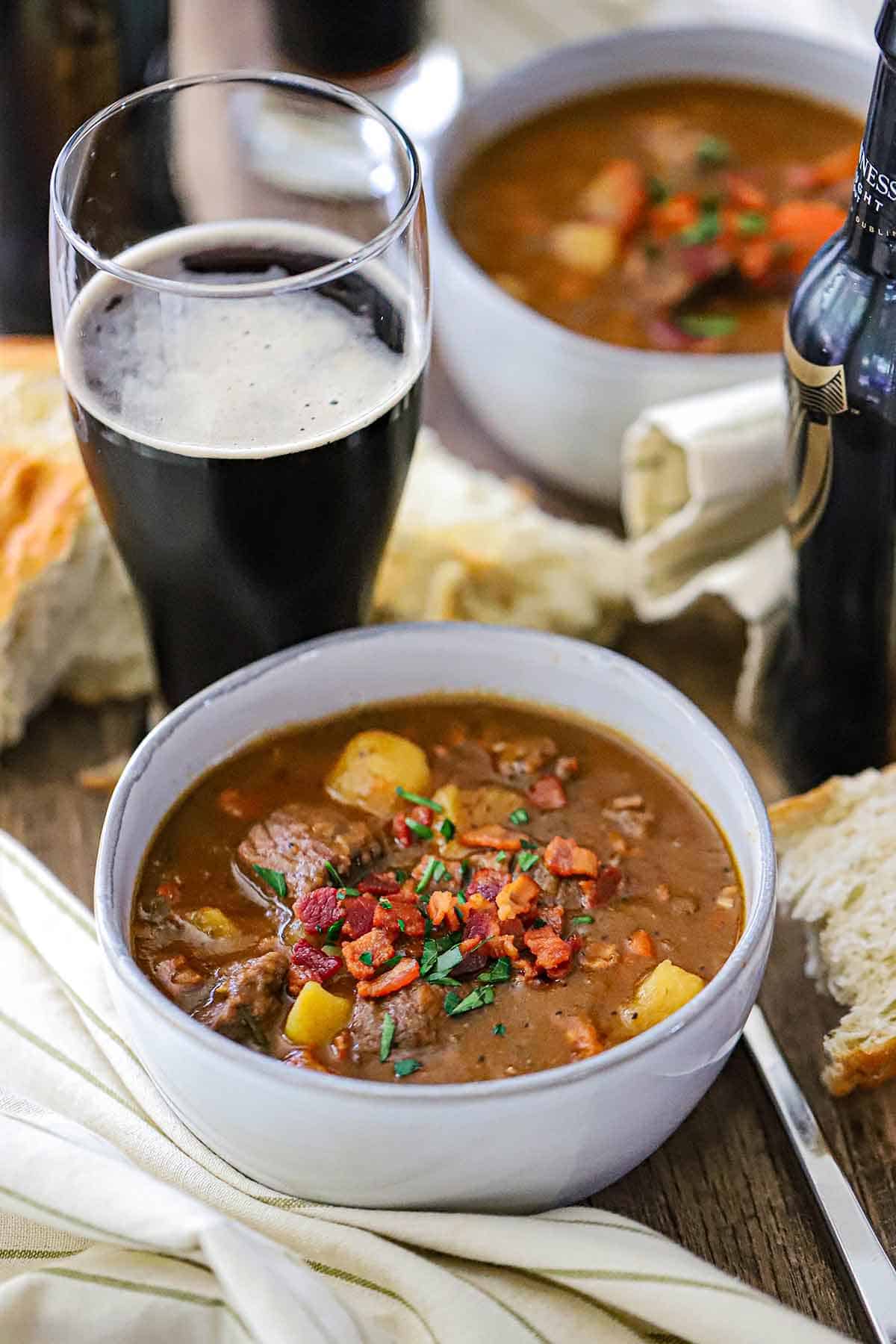
Guinness Beef Stew: Your Ultimate Guide to a Rich & Tender Classic
There are few dishes that encapsulate the essence of hearty comfort quite like a robust Guinness Beef Stew. Far more than just a meal, it's a culinary embrace, a tradition, and a celebration of rich, savory flavors. Especially beloved around St. Patrick's Day, this traditional pub-style classic features melt-in-your-mouth beef, deeply caramelized vegetables, and a luxurious, bacon-infused gravy, all brought together by the distinctive maltiness of Guinness stout. Whether you prefer the slow, even heat of the oven, the attentive simmer of the stovetop, or the convenience of a slow cooker, mastering this stew is surprisingly simple, promising a culinary reward that far outweighs the effort.
This comprehensive guide will walk you through the secrets to creating an unforgettable Guinness Beef Stew, offering insights into ingredient selection, crucial techniques, and adaptable cooking methods. Prepare to transform humble ingredients into a truly spectacular dish that will warm your home and delight your senses.
The Anatomy of an Exceptional Guinness Beef Stew: Building Layers of Flavor
The magic of Guinness Beef Stew lies in its meticulously built layers of flavor. It's not just a collection of ingredients; it's a symphony where each component plays a vital role in creating a cohesive, deep, and satisfying profile.
Key Ingredients and Their Impact
Understanding *why* certain ingredients are chosen is fundamental to elevating your stew from good to truly extraordinary.
*
Beef Chuck Roast: The Unsung Hero of Tenderness
Forget those pre-cut "stew meat" packs. The secret to truly melt-in-your-mouth beef is a well-marbled
beef chuck roast. This cut, rich in connective tissue and fat, transforms beautifully during low and slow cooking. As it braises, the fat renders and the collagen breaks down into gelatin, resulting in an incredibly tender, succulent texture that lean cuts simply can't achieve. Always opt for a whole chuck roast and cube it yourself for best results.
*
Guinness Stout: More Than Just a Liquid
The eponymous Guinness Draught is the star here. It imparts a distinctive, smooth maltiness, a beautiful deep color, and a subtle roasted bitterness that's surprisingly balanced, not overwhelming. It's the backbone of the gravy, offering a complexity that can't be replicated. For those preferring a non-alcoholic option, a good quality beef broth fortified with a splash of balsamic vinegar (for acidity) can be a suitable substitute, though the unique stout flavor will be absent.
*
Thick-Cut Bacon: The Foundation of Flavor
Don't underestimate the power of bacon. Thick-cut slices are preferred not just for their smoky, savory contribution, but also because they render ample fat. This "liquid gold" is then used to sear the beef and sauté the vegetables, infusing every subsequent step with a foundational smoky depth that plain cooking oil simply cannot replicate. It's a non-negotiable step for truly authentic flavor.
*
Aromatic Herbs: The Scent of Tradition
Fresh herbs like thyme and rosemary are essential for that traditional, pub-style aroma and taste. Their earthy, slightly peppery notes complement the richness of the beef and stout. While fresh is always best, one teaspoon of dried herbs for every tablespoon of fresh can be used in a pinch. Consider tying them into a sachet or using whole sprigs for easy removal before serving.
*
Hearty Root Vegetables: Sweetness and Texture
The classic trio of onions, carrots, and celery forms the aromatic base, adding natural sweetness and essential texture. But don't stop there! Incorporating other root vegetables like parsnips or turnips can introduce even more depth and earthiness, turning your stew into an even more substantial and nourishing meal.
*
Brown Sugar: The Unsung Balancer
A small, seemingly insignificant amount of brown sugar plays a crucial role. It deftly balances the natural bitterness of the Guinness stout and the acidity of the tomato paste, bringing all the flavors into a harmonious, well-rounded profile. Skipping this ingredient would leave your stew feeling slightly off-kilter.
Mastering the Techniques for Unforgettable Guinness Beef Stew
Beyond the ingredients, specific techniques are vital to unlocking the full potential of your stew. These are the "secrets" that professional chefs swear by.
The Art of the Perfect Sear
This is perhaps the most critical step for developing profound flavor. Before your beef even *thinks* about hitting the pan, pat it absolutely dry with paper towels. Wet meat will steam, resulting in pale, grayish chunks. Dry meat, however, will develop a deep, golden-brown crust—a process known as the Maillard reaction. This caramelization creates incredible flavor compounds and forms the "fond" (the browned bits stuck to the bottom of the pot) which, when deglazed, becomes the rich, savory base of your gravy. Don't rush this step; sear in batches if necessary to avoid overcrowding the pan.
Don't Waste the Bacon Fat
As mentioned, the rendered fat from your thick-cut bacon is liquid gold. Once the bacon is crispy and removed, use this flavorful fat to sear your beef. It imparts a smoky complexity that cannot be replicated with neutral oils, adding another layer of depth to your stew.
Achieving the Perfect Gravy Consistency
Many recipes call for flouring the beef before searing, which helps thicken the stew from the outset. However, if you forget this step or simply desire a thicker, more luxurious sauce, don't despair! A
beurre manié—a paste made by mixing equal parts softened butter and flour—is your secret weapon. Simply stir small bits of this paste into the simmering stew during the last 30 minutes of cooking. It will dissolve seamlessly, thickening the gravy to a silky, professional finish without lumps.
The Golden Rule: Low and Slow Cooking
Whether you opt for the oven, stovetop, or slow cooker, the principle remains the same: a gentle, lazy simmer is essential. High heat will toughen the chuck roast and prevent the collagen from properly breaking down. This "low and slow" approach is what transforms tough fibers into succulently tender beef. Resist the temptation to crank up the heat; patience is truly a virtue here. For more in-depth guidance on perfecting this technique, explore our article on
Mastering Classic Guinness Beef Stew: Rich & Tender Recipe.
Lid Management for Optimal Texture
For perfectly tender potatoes and vegetables, keep the lid on your pot during most of the cooking process. This traps steam, ensuring an even, moist cook. Only remove the lid during the final 10-20 minutes if you wish to allow some moisture to evaporate and further reduce and thicken your gravy.
The Make-Ahead Advantage
Guinness Beef Stew is a make-ahead marvel. In fact, like many braised dishes, its flavors actually deepen, meld, and improve significantly after a day or two in the refrigerator. This makes it an ideal dish for entertaining or for enjoying throughout the week. Simply reheat gently on the stovetop or in the oven.
Guinness Beef Stew: Oven, Stovetop & Slow Cooker Options
One of the great attributes of this classic stew is its adaptability to various cooking methods, each offering its own advantages.
Oven Braising: The Traditional & Hands-Off Approach
After initial searing and sautéing on the stovetop, transferring the pot to a preheated oven is a traditional and highly effective method. The oven provides very consistent, all-around heat, leading to even cooking and tender results without constant monitoring. It's largely hands-off once it's in the oven, freeing you up to attend to other tasks. Cook covered at a low temperature (e.g., 300-325°F or 150-160°C) for several hours until the beef is fork-tender.
Stovetop Simmering: Classic & Controllable
Cooking the stew entirely on the stovetop is equally valid and traditional. This method requires a heavy-bottomed Dutch oven or pot to ensure even heat distribution and prevent scorching. You'll need to keep a closer eye on it, maintaining a gentle simmer, adjusting heat as needed, and stirring occasionally. This method is great if you prefer to have more direct control over the cooking process.
Slow Cooker (Crock-Pot): The Ultimate in Convenience
For busy schedules, the slow cooker is a true godsend. While you still want to perform the initial searing of the beef and cooking of the bacon and aromatics on the stovetop (this is crucial for flavor development and should *not* be skipped!), once those steps are complete, everything transfers to the slow cooker for hours of unattended cooking. This method ensures incredibly tender beef with minimal effort, making it perfect for weeknight dinners. Just be mindful that less liquid typically evaporates in a slow cooker, so you might need to slightly reduce the amount of broth or stout you add initially, or allow it to simmer uncovered on high for the last 30 minutes if you prefer a thicker gravy.
Instant Pot: Speed and Efficiency
For those who need a delicious Guinness Beef Stew in a fraction of the time, the Instant Pot is an excellent option. You can perform the initial searing and sautéing directly in the pot using the 'Sauté' function. Then, add the liquids and other ingredients, seal, and pressure cook. While it significantly reduces cooking time, it still delivers incredibly tender beef. This method is ideal when you crave comfort food but are short on time. For more tips on making this hearty dish, check out our insights on
Secrets to the Best Guinness Beef Stew: Ultimate Comfort Food.
Serving Your Guinness Beef Stew: The Perfect Accompaniments
A magnificent Guinness Beef Stew deserves equally magnificent companions. The quintessential pairing is a warm, crusty slice of easy homemade Irish Soda Bread, perfect for soaking up every last drop of that rich, savory gravy. Beyond that, consider serving it over creamy mashed potatoes, alongside a bowl of buttered egg noodles, or even with a side of Colcannon (Irish mashed potatoes with cabbage or kale). Garnish with a sprinkle of fresh parsley or chives for a vibrant finish.
Conclusion
Guinness Beef Stew is more than just a recipe; it's an experience. From the smoky aroma of sizzling bacon to the deep, malty notes of the stout and the comforting tenderness of slow-braised beef, every step contributes to a dish that speaks of tradition, warmth, and culinary artistry. By understanding the roles of key ingredients and mastering fundamental techniques, you can confidently prepare this iconic meal using your preferred cooking method—oven, stovetop, or slow cooker. So, gather your ingredients, take your time, and prepare to create a truly unforgettable Guinness Beef Stew that will become a cherished comfort food in your home for years to come.